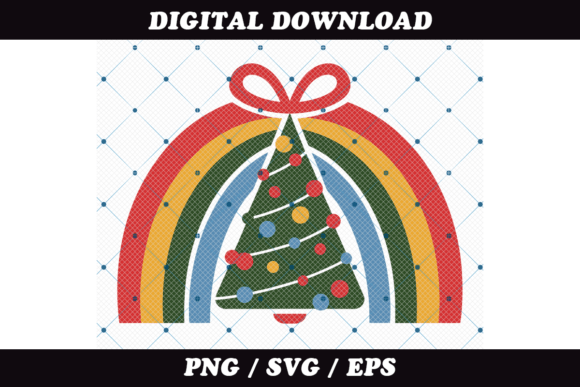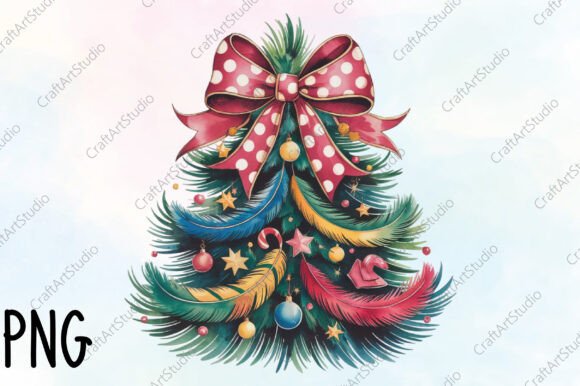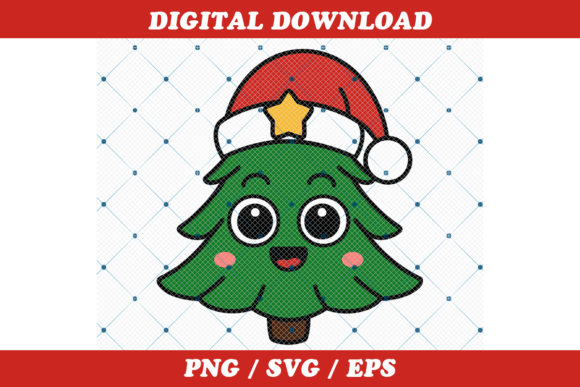
Christmas Tree with Santa Hat Vector Illustrations
As a digital publisher who has spent over a decade refining the visual identity of high-traffic blogs and editorial platforms, I have learned that the difference between a scroll-past and a click-through often comes down to split-second visual recognition. When I first loaded the Christmas Tree with Santa Hat Vector into my design workflow, my immediate reaction was one of relief. In an industry saturated with generic, low-resolution clip art, finding a graphic design asset that balances festive charm with professional scalability is rare. This piece does not just scream "holiday"; it whispers "polished content." It creates an editorial mood that is warm and inviting without sacrificing the clean lines necessary for modern web design.
The aesthetic here is distinctly lifestyle-focused yet retains enough structural clarity to serve serious content niches. It feels playful but grounded, making it an ideal candidate for bloggers, affiliate marketers, and online educators who need to maintain brand authority while tapping into seasonal trends. For those of us managing content calendars, this asset solves a common problem: how to inject holiday spirit into a layout without making the site look cluttered or amateurish. The vector format ensures that whether you are using it for a massive website header or a tiny favicon, the edges remain crisp, preserving reader trust through perceived quality.
Integrating the Asset into Real Publishing Workflows
Let’s talk about practical application. I recently tested this vector in a real-world publishing scenario involving a series of holiday gift guides and year-end review posts. The versatility of the Christmas Tree with Santa Hat Vector became immediately apparent. For blog featured images, I placed the tree off-center to allow ample negative space for headline text. This approach respects visual hierarchy, ensuring the title remains the primary focal point while the illustration provides contextual flavor.
Beyond standard blog graphics, this asset shines in vertical formats. For Pinterest pins, which drive significant traffic for many lifestyle and DIY blogs, the tall, tapered shape of the tree fits naturally into the 2:3 aspect ratio. I layered the vector over soft, muted backgrounds to create depth, then added bold sans-serif typography for the pin title. The result was a cohesive social media graphic that stood out in a crowded feed without relying on aggressive colors or clickbait tactics.
Newsletter creators will also find immense value here. Email clients can be notoriously tricky with image rendering, but because this is a vector-based concept (often exported as SVG or high-res PNG), it loads quickly and looks sharp on retina displays. I used it as a decorative accent in the header of a December newsletter, pairing it with a minimalist layout. It signaled the seasonal shift immediately, increasing open rates by creating a sense of timely relevance. Similarly, for digital products like eBooks or printable designs, this illustration serves as an excellent cover element or chapter divider, adding a layer of creative design that elevates the perceived value of the digital download.
Enhancing Brand Identity and Content Performance
Why does this specific matter for your bottom line? In content marketing, consistency is king. Using a high-quality Christmas Tree with Santa Hat Vector helps establish a stronger visual identity. When readers see this level of polish across your affiliate marketing landing pages, lead magnets, and social media previews, it builds subconscious trust. They perceive your brand as professional and attentive to detail. This is crucial for small business branding, where every touchpoint contributes to the overall customer experience.
The asset supports better click-through potential by breaking up text-heavy layouts. On long-form articles, inserting this illustration as a break element keeps the reader engaged. It acts as a visual rest stop, encouraging them to continue scrolling. Furthermore, for category thumbnails, having a distinct, recognizable icon helps with site navigation. If you run a lifestyle blog, using this vector consistently across all holiday-related posts creates a cohesive archive that looks curated rather than chaotic.
However, context is everything. While this vector is versatile, it works best in environments that welcome warmth and personality. It is perfect for hero images, article thumbnails, and content upgrades. But there are places where you should use it carefully. For instance, avoid placing it behind dense blocks of text in small mobile thumbnails, where details might get lost. It may also feel out of place in strictly corporate B2B content or highly minimalistic architectural portfolios where any decoration could be seen as distracting. Always consider your niche; if your brand voice is sternly academic or ultra-corporate, this playful element might clash with your established tone.
Technical Considerations for Web Designers
From a technical standpoint, integrating this asset requires a few best practices to ensure optimal web performance. First, always test the graphic on both desktop and mobile screens. What looks balanced on a 27-inch monitor might overwhelm a smartphone display. I recommend previewing the Christmas Tree with Santa Hat Vector inside your actual blog theme before publishing. Check the contrast against your background colors. If your site uses a dark mode, ensure the vector has sufficient brightness or outline definition to remain visible.
Typography pairing is another critical factor. I experimented with various font styles to see what complemented the illustration best. It pairs beautifully with serif fonts for a traditional, editorial look, and with clean sans-serif fonts for a modern, airy feel. Script fonts can work if they are legible, but avoid overly ornate handwritten fonts that might compete with the details of the tree. Display fonts should be used sparingly, perhaps only for the main headline, to maintain readability.
File management is equally important. Even though vectors are scalable, web browsers need optimized files. Export your final designs in appropriate formats—SVG for web elements where interactivity or scaling is needed, and compressed WebP or PNG for static images. Always check the file size to ensure it does not slow down your page load times, which can negatively impact SEO and user experience. Finally, and most importantly, confirm the commercial license. If you are using this for monetized websites, affiliate pages, or paid content products like a Canva template or digital guide, you must ensure you have the right to use it commercially. Protecting your legal standing is just as important as protecting your visual aesthetic.
In conclusion, the Christmas Tree with Santa Hat Vector is more than just a seasonal decoration; it is a strategic tool for content creators. It bridges the gap between festive appeal and professional presentation, offering a reliable solution for anyone looking to enhance their editorial design during the holiday season. By understanding its strengths and limitations, you can leverage this graphic design asset to create more engaging, trustworthy, and visually compelling content across all your digital channels.