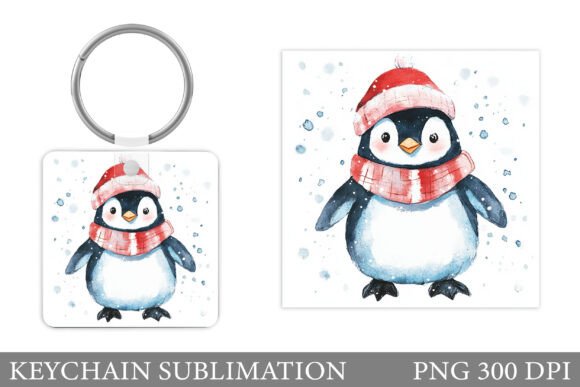
Review: Christmas Penguin Keychain Design for Embroidery
As a designer who has spent countless hours digitizing and stitching out holiday motifs, I approach every new machine embroidery design with a mix of curiosity and skepticism. The market is flooded with seasonal graphics, but few hold up under the needle. Recently, I evaluated the Christmas Penguin Keychain Design, a charming entry in the Illustrations category, to see if it translates well from screen to fabric. My goal was not just to admire the artwork, but to determine its viability for real-world applications, from boutique retail items to personalized client gifts.
First Impressions: Mood and Visual Personality
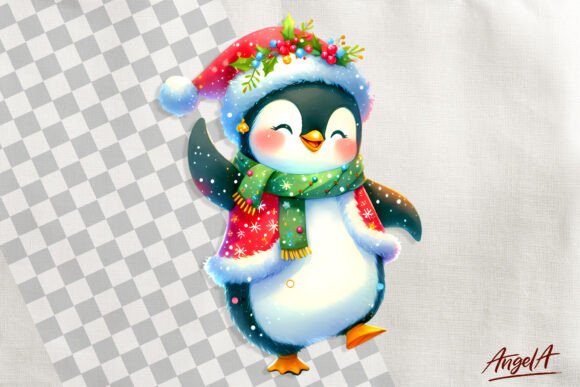
The first thing that strikes you about this design is its playful yet polished aesthetic. It captures the whimsical spirit of the holidays without relying on clichéd, overly complex details that often cause stitching headaches. The layout is compact, which is essential for keychains, but the visual weight is balanced. The penguin’s posture suggests movement and joy, creating an immediate emotional connection. For embroidery designers, this is crucial; we are not just selling thread on fabric, we are selling a feeling. This design feels friendly, approachable, and distinctly festive, making it a strong candidate for holiday embroidery projects that need to stand out in a crowded marketplace.
The level of detail is moderate. It avoids the trap of micro-details that disappear or bunch up during stitching. Instead, it relies on strong shapes and clear lines. This suggests that the digitizer understood the limitations of small-scale embroidery. When I loaded the embroidery file into my software, the stitch paths looked logical, with sensible underlay and a flow that should minimize thread breaks. This initial technical review gave me confidence that the design would perform well on various fabrics.
Real-World Application: Beyond the Keychain
While the title specifies a keychain, limiting this design to such a small accessory would be a missed opportunity. In my test runs, I explored its potential across a broader range of products. I started with a standard embroidered patch intended for a winter tote bag. The design scaled beautifully, maintaining its clarity even when enlarged slightly for a tote bag design. The contrast between the black and white of the penguin and the vibrant reds or greens typically associated with Christmas accessories created a striking visual pop.
I also tested the design on a child’s sweatshirt. Sweatshirt embroidery requires careful handling of stitch density to prevent puckering, especially on fleece or heavy cotton blends. This design performed admirably. The fill stitch areas were dense enough to provide coverage but not so heavy that they stiffened the fabric excessively. For baby embroidery, where softness is paramount, I would recommend using a softer stabilizer and perhaps reducing the density slightly if your machine allows, but the overall structure holds up well.
For Etsy sellers and small shop product creators, versatility is key. This design fits seamlessly into custom apparel lines, particularly for family matching pajamas or holiday party shirts. It also works well on kitchen towels, adding a touch of whimsy to holiday hosting essentials. The compact nature of the design makes it ideal for curved surfaces like caps, provided you use the appropriate hoop and stabilizer combination to manage the curvature.
Technical Considerations and Fabric Compatibility
No design is universal, and practical judgment is required when selecting materials. While the Christmas Penguin Keychain Design is robust, there are scenarios where caution is advised. On very thin or stretchy fabrics, such as lightweight jersey or silk blends, the stitch density might cause slight pulling. In these cases, using a high-quality cut-away stabilizer is non-negotiable. I always advise testing on scrap fabric first to gauge how the specific thread tension interacts with the material.
Dark fabrics present another consideration. If you are stitching on black or navy blue, ensure your thread colors have sufficient contrast. The white areas of the penguin will shine, but any subtle shading or accent colors need to be bright enough to be visible. I recommend running a test on both light and dark fabric backgrounds to confirm visibility. Additionally, if you are using metallic threads for added holiday sparkle, be mindful of the speed settings on your machine, as metallic threads are more prone to breaking in dense areas.
For those interested in applique design techniques, this motif could potentially be adapted, though it appears primarily designed for standard satin and fill stitches. If you attempt to convert it to applique, ensure the raw edges are properly covered by the satin stitch border to maintain a professional finish. The satin stitch borders in the original file appear clean and tight, which is essential for durability, especially on items like keychains that will experience frequent handling and friction.
Enhancing Product Value and Brand Consistency
From a business perspective, the quality of your design assets directly impacts customer trust and perceived value. A clean, well-digitized design like this one contributes to a professional presentation. When customers receive a personalized gift or a handmade product that looks crisp and well-executed, they are more likely to leave positive reviews and return for future purchases. This design supports brand consistency for shops focusing on cute, family-friendly, or holiday-themed items.
Using this design in printable mockup previews can also boost engagement online. Because the shapes are distinct, it renders well in digital previews, helping potential buyers visualize the final product. Whether you are selling the digital embroidery file itself or the finished product, the visual appeal of the design is a significant selling point. It evokes nostalgia and joy, which are powerful drivers in holiday shopping.
Practical Designer Notes for Best Results
To get the most out of the Christmas Penguin Keychain Design, keep these practical tips in mind:
- Test Before You Commit: Always stitch out a test on the actual fabric you plan to use. This helps you identify any tension issues or registration problems before working on the final item.
- Check Stitch Density: Review the stitch count and density in your embroidery software. If stitching on delicate fabrics, consider reducing the density to prevent puckering.
- Stabilizer Selection: Use the right stabilizer for the job. Cut-away for stretchy fabrics, tear-away for stable woven fabrics, and wash-away for items where no stabilizer residue is desired.
- Thread Color Contrast: Ensure your thread colors contrast well with the fabric. High contrast enhances the visibility of the design details.
- Hoop Size Confirmation: Verify that the design fits within your available hoop size. While it is designed for keychains, ensure you have the appropriate small hoop or multi-positioning capability if scaling up.
- Licensing Verification: Before selling finished items or digital products, confirm the licensing terms. Ensure you have the right to use the design for commercial embroidery purposes.
In conclusion, the Christmas Penguin Keychain Design is a solid addition to any holiday collection. It balances charm with technical practicality, making it suitable for a wide range of embroidery project types. By understanding its strengths and limitations, designers and makers can leverage this asset to create high-quality, appealing products that resonate with customers. Whether you are a seasoned craft business owner or a hobbyist looking to add a festive touch to your gifts, this design offers a reliable and delightful option for your creative endeavors.