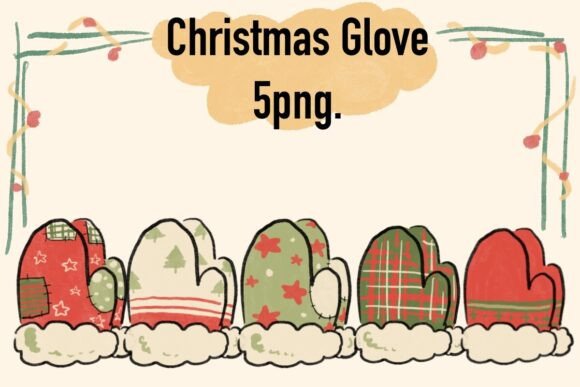
Cute Christmas Glove: A Designer’s Real-World Review
As an embroidery designer who has spent years digitizing and testing thousands of motifs, I have learned that the difference between a good design and a great one often lies in the details that only reveal themselves after the needle hits the fabric. When I first loaded the Cute Christmas Glove into my software, I was looking for more than just holiday cheer. I was looking for structural integrity, stitch logic, and commercial viability. This piece falls squarely into the Illustrations category, which means it relies heavily on visual storytelling rather than complex texture mapping. For those of us running small shops or creating personalized gifts, understanding how this design translates from screen to stitch is crucial before committing to a final product.
First Impressions and Visual Personality
The immediate mood of the Cute Christmas Glove is warm, nostalgic, and inviting. It captures the essence of winter comfort without leaning into overly intricate details that might cause registration issues on home machines. The shape is rounded and friendly, avoiding sharp, jagged edges that can often lead to thread breaks or puckering if not handled with extreme care. As an illustration, it prioritizes clear silhouettes and recognizable forms. This is a significant advantage for embroidery, where too much detail can get lost in the thread pile.
From a layout perspective, the design feels balanced. Whether you are placing it on the left chest of a sweatshirt or centering it on a tote bag, the visual weight distributes evenly. For Etsy sellers and craft business owners, this balance is vital. Customers are drawn to designs that look professional and intentional. A lopsided or cluttered motif can detract from the perceived value of a handmade product. The Cute Christmas Glove maintains a clean aesthetic that appeals to a broad demographic, from parents buying baby embroidery items to adults seeking festive apparel.
Performance in Real-Life Embroidery Scenarios
To truly evaluate this design, I mentally placed it into several common production scenarios. Here is how I anticipate it performing based on its structural characteristics.
- Custom Apparel and Sweatshirts: This is arguably the strongest use case. The design’s scale and simplicity work beautifully on fleece or cotton blends. When using a fill stitch for the main body of the glove, the texture adds a nice dimensionality that flat printing cannot achieve. It becomes a standout feature on a holiday sweater or a cozy zip-up hoodie.
- Tote Bag Design: Canvas bags require designs that can withstand tension and frequent use. The Cute Christmas Glove holds up well here because it does not rely on micro-details that might distort when the fabric stretches under the weight of groceries or books. It serves as a charming focal point for seasonal merchandise.
- Baby Embroidery and Nursery Decor: Softness is key for infant items. If the stitch density is moderate, this design can be stitched onto onesies or bibs without creating a stiff, uncomfortable patch against sensitive skin. It also works wonderfully on pillow covers or blankets, adding a touch of festive whimsy to nursery decor.
- Embroidered Patches: For those selling digital embroidery files or finished patches, this motif is ideal. Its self-contained shape means it can be easily bordered with a satin stitch, creating a clean edge that prevents fraying. Patches are a high-margin item for small shop products, and this design fits the trend of cute, collectible accessories.
Navigating Fabric and Hoop Constraints
While the design is versatile, it is not without its limitations. Experienced makers know that every machine embroidery design has its kryptonite. For the Cute Christmas Glove, caution is advised when working with certain materials and hoop sizes.
If you are stitching on thin or stretchy fabric, such as jersey knits or lightweight rayon, you must use a proper stabilizer. Without adequate support, the pull of the stitches—particularly if there are dense fill areas—can cause the fabric to pucker around the glove shape. I recommend testing on scrap fabric first to gauge how your specific machine handles the tension. Additionally, while the design is cute, it may lose clarity if scaled down too significantly for small hoop sizes, such as 4x4 inches. Tiny details, like any decorative elements on the cuff or fingers, might merge together if the resolution drops.
Dark fabrics present another challenge. If the Cute Christmas Glove utilizes light thread colors, ensure you have a high contrast against the background. However, if the design includes fine running stitch outlines, these might disappear on dark, textured fabrics like wool or heavy denim. In such cases, consider using an underlay stitch effectively or choosing thread colors that pop, such as bright whites or metallics, to maintain visibility.
Enhancing Brand Value and Customer Trust
For commercial embroidery projects, consistency is everything. Using a well-digitized design like this helps build brand recognition. When customers see a clean, crisp stitch-out, they associate that quality with your brand. The Cute Christmas Glove contributes to this by offering a polished look that feels professional rather than amateurish. This is particularly important for wedding gifts, boutique branding, or high-end personalized products where presentation dictates price point.
Moreover, the "giftability" factor is high. Holiday embroidery sells because it evokes emotion. This design taps into the nostalgia of winter traditions. When used in printable mockups or digital product previews, it allows potential buyers to visualize the end result clearly. For digital embroidery file sellers, providing mockups that show the design on various items—like aprons, tea towels, and caps—can significantly boost buyer engagement. It shows versatility and helps the customer imagine the item in their own life.
Practical Notes for the Embroidery Designer
Before you launch into a full production run or list this as a new item in your store, take a moment to review the technical specifics. Since exact stitch counts and file formats were not provided in the initial brief, you must verify these details in the actual product package. Check if the design comes in multiple hoop sizes. A design optimized for a 5x7 hoop may not scale perfectly to a 6x10 without manual adjustment.
- Test Stitch-Outs: Always run a test on the same fabric type you intend to sell. Check for thread breaks, especially in tight corners of the glove fingers.
- Thread Color Contrast: Experiment with different palettes. While traditional red and white are classic, try pastels for a softer baby look or bold primaries for a modern twist.
- Stabilizer Selection: Match your stabilizer to your fabric. Cut-away for knits, tear-away for woven cottons. This ensures the finished product maintains its shape after washing.
- Licensing Verification: Confirm whether the license allows for commercial use. If you are an Etsy seller or run a craft business, you need to know if you can sell finished items made with this design assets.
- Mockup Testing: Create black and white mockups to check for contrast issues. If the design loses definition in grayscale, it may lack sufficient separation between elements for clear stitching.
In conclusion, the Cute Christmas Glove is a solid addition to any holiday-themed library. It balances charm with practicality, making it suitable for a wide range of applications from custom apparel to home decor. By respecting its limitations regarding fabric choice and scale, and by adhering to best practices in stabilization and thread selection, you can produce high-quality finished products that delight customers and enhance your reputation as a skilled maker. Whether you are digitizing your own variations or using this as a standalone motif, it offers a reliable foundation for festive creativity.