Reviewing Christmas Gnome and Elf Clipart for Embroidery
As a designer who has spent countless hours digitizing and stitching out holiday motifs, I approach every new Christmas Gnome and Elf Clipart set with a mix of excitement and skepticism. The market is flooded with festive graphics, but not all of them translate well from a flat digital screen to the textured reality of thread and fabric. When I first opened this collection of Illustrations, my immediate goal was to determine if these characters held up under the needle. Could they serve as reliable assets for my commercial embroidery projects, or were they merely decorative fluff best left for print-on-demand?
First Impressions: Mood and Visual Personality
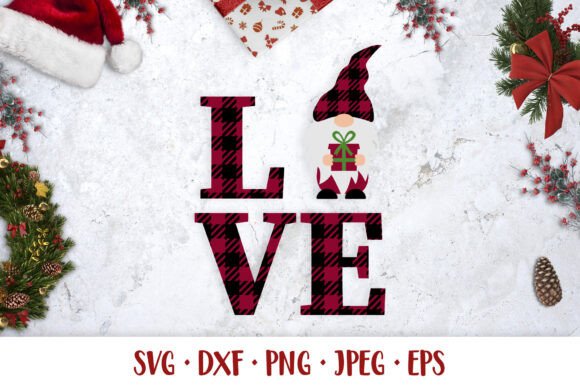
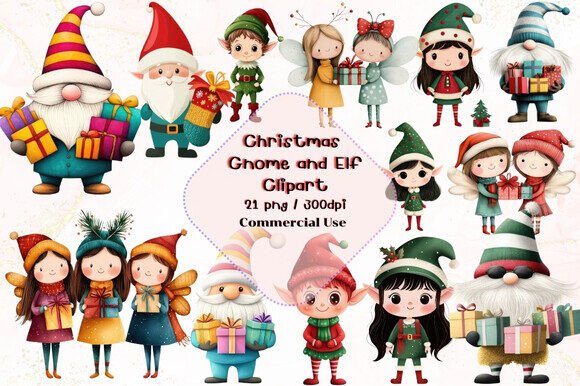
The initial visual impact of this design set is undeniably charming. The gnomes and elves possess a whimsical, hand-drawn quality that avoids the sterile look of vector-generated clip art. For an embroidery designer, this is crucial. Designs that look too perfect on screen often appear stiff when stitched. These characters have a softness to their lines, suggesting a friendly, approachable mood that fits perfectly with the cozy aesthetic of winter holidays. The layout is balanced, with clear separation between elements like hats, beards, and bodies, which is a promising sign for stitch clarity.
However, charm alone does not make a viable machine embroidery design. I looked closely at the detail level. Were the facial features too small? Would the intricate patterns on the clothing turn into a tangled mess of thread? The visual personality suggests these are best suited for projects where warmth and nostalgia are the primary selling points, such as heirloom-quality baby items or boutique holiday decor.
Real-World Application: From Screen to Stitch
To truly evaluate the utility of this Christmas Gnome and Elf Clipart, I imagined a specific real-life scenario. A local boutique owner approached me last month for a run of custom embroidered tote bags for her holiday gift shop. She wanted something festive but not cliché. This design set immediately came to mind. The gnome’s tall hat and the elf’s playful stance offer verticality that works well on the rectangular canvas of a tote bag.
In this context, the design performs as a strong focal point. When applied to a canvas tote, the bold shapes of the characters stand out against the weave of the fabric. I envisioned using a combination of satin stitch for the borders and fill stitch for the larger areas like the gnome’s coat. The result would be a tactile, high-value handmade product that feels substantial to the touch. For an Etsy seller, this kind of visual appeal translates directly to buyer engagement. Customers are drawn to items that look carefully crafted, and a well-executed embroidery project signals quality.
Beyond tote bags, I considered how these illustrations would fare on sweatshirt embroidery. The soft, fuzzy texture of fleece or French terry cloth can sometimes swallow up fine details. However, because these characters have distinct, bold outlines, they should maintain their integrity even on textured fabrics. A large hoop size would allow the design to breathe, preventing the stitch density from becoming too high and causing puckering.
Navigating Technical Challenges
While the designs are appealing, there are areas where caution is necessary. Any experienced embroiderer knows that small details are the first to suffer in translation. If you plan to use these on smaller items, such as a baby embroidery project on a onesie or a small embroidered patch, you must scrutinize the tiny elements. Eyes, buttons, or intricate patterns on the elves’ shoes might need simplification. If the original digital embroidery file does not account for this, you may need to manually adjust the stitch count or remove certain running stitches to ensure clarity.
Fabric choice also plays a pivotal role. On dark fabric, contrast becomes a major concern. If the thread colors do not pop against the background, the design will lose its definition. I always recommend testing the design on scrap fabric first, specifically in the colors you intend to sell. Additionally, when working with stretchy fabrics like jersey knits for t-shirts, proper stabilizer usage is non-negotiable. Without a cut-away stabilizer, the weight of the fill stitches could distort the garment, ruining the professional look of the finished product.
Curved surfaces present another challenge. Applying these designs to caps requires careful hooping and potentially resizing the artwork to fit the limited space of the front panel. The height of the gnome’s hat might need to be compressed slightly to avoid wrapping around the curve of the cap, which can cause thread breaks and uneven tension.
Enhancing Brand Value and Customer Trust
For small business owners and creative entrepreneurs, the choice of design assets directly impacts brand consistency. Using high-quality, cohesive design assets like this Christmas Gnome and Elf Clipart helps build a recognizable aesthetic. When customers see a consistent style across your custom apparel, pillows, and kitchen towels, it builds trust. They begin to associate your brand with a specific level of craftsmanship and artistic taste.
Moreover, the "giftability" of a product is enhanced by thoughtful design. A personalized gift featuring a cute gnome feels more special than a generic snowflake. It suggests that the maker put thought into the selection, which increases the perceived value. For commercial embroidery projects, this distinction can justify a higher price point. Buyers are willing to pay more for items that feel unique and artistically curated.
Practical Notes for the Embroidery Designer
Before committing to a large production run or listing these designs in your shop, there are several practical steps you should take. First, always check the licensing terms. Ensure that the Illustrations are cleared for commercial use if you plan to sell finished items. Second, review the stitch density. High-density areas can make fabric stiff and uncomfortable, especially on wearable items like sweatshirts or baby clothes. If the density is too high, consider using applique techniques for larger sections to reduce bulk.
Thread color selection is another critical factor. While the digital preview might show vibrant reds and greens, real-world threads vary in sheen and tone. Test different combinations to see what offers the best contrast and visual harmony. Also, consider creating printable mockups to visualize how the design looks on various products before stitching. This can save time and materials during the prototyping phase.
Finally, remember that versatility is key. A design that works well on a pillow cover might need adjustment for a tea towel. Be prepared to tweak sizes and densities for different applications. By treating this Christmas Gnome and Elf Clipart as a flexible tool rather than a rigid template, you can maximize its potential across your entire product line.
Final Verdict
In conclusion, this set of Christmas Gnome and Elf Clipart offers a solid foundation for holiday-themed embroidery projects. Its strengths lie in its charming aesthetic and bold shapes, which translate well to a variety of fabrics and products. However, success depends on the designer’s attention to technical details such as stitch density, fabric compatibility, and size adjustments. For the diligent craft business owner or hobbyist willing to test and refine, these designs can become standout pieces in any holiday collection. They bridge the gap between digital convenience and handmade authenticity, providing a reliable resource for creating memorable, high-quality embroidered goods.