Reviewing Cute Christmas Baby Animals Clipart for Stitching
As a designer who spends more time staring at stitch simulations than actual fabric, I have learned that not every pretty picture translates well into thread. When I first pulled up the Cute Christmas Baby Animals Clipart, my initial reaction was one of cautious optimism. The visual charm is undeniable, but in the world of machine embroidery, cuteness can often be compromised by poor digitizing or overly complex details. I approached this set of Illustrations not just as a viewer, but as a craft business owner who needs to know if these designs will hold up on a sweatshirt after three washes or look crisp on a small holiday ornament.
First Impressions and Visual Personality
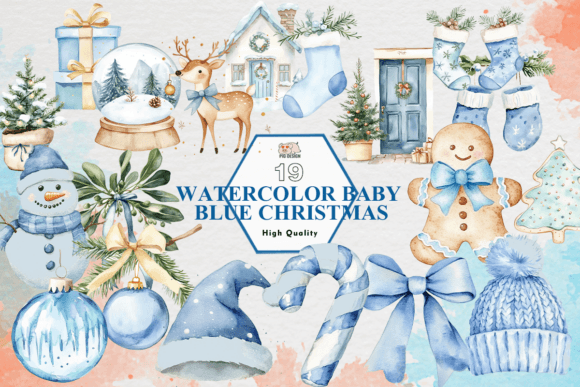
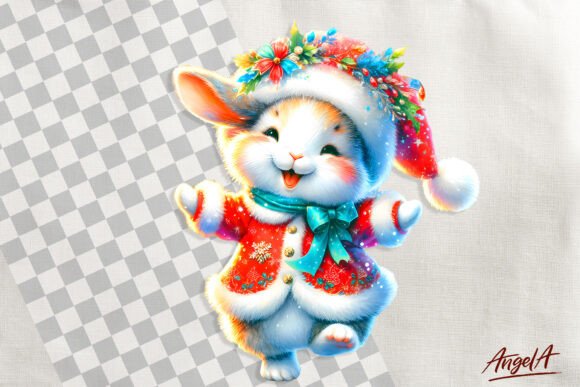
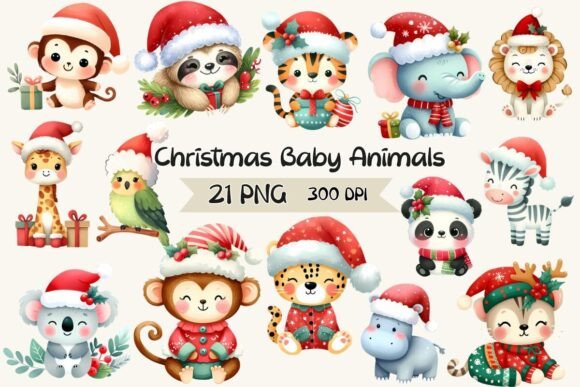
The mood of this collection is undeniably warm and nostalgic. It captures that specific softness associated with holiday nostalgia, featuring young animals in festive settings. For an embroidery project, the layout and shape language are critical. These designs rely heavily on rounded forms and soft edges, which is generally good news for stitching. Sharp, angular details often cause thread breaks or puckering, but the organic curves found in these baby animal figures suggest a smoother sewing experience.
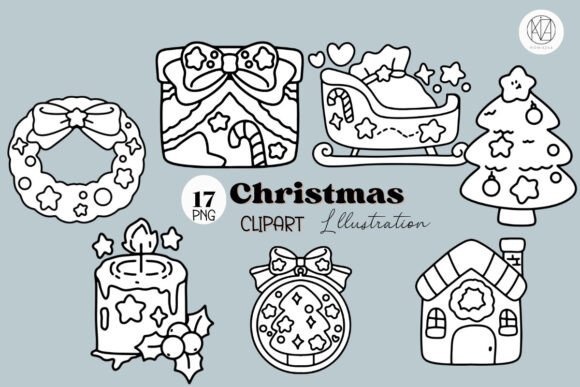
However, the level of detail requires a keen eye. In digital format, fine lines look elegant. On fabric, they can disappear. My primary concern with any clipart converted into an embroidery file is how the transition from pixel to stitch is handled. Does the designer use a running stitch for fine outlines, or do they attempt a satin stitch that might be too wide for the scale? From what I can see, the visual personality leans towards simplicity, which is a strong indicator that these will perform well on home machines without requiring industrial-grade tension adjustments.
Real-World Application: The Holiday Tote Test
To truly evaluate the Cute Christmas Baby Animals Clipart, I mentally placed it into a real-life scenario. Imagine a custom order for a boutique client who wants a set of reusable grocery bags for holiday gifts. A tote bag design needs to be bold enough to be seen from a distance but detailed enough to feel premium.
If I were stitching one of these baby animals onto a canvas tote, the larger figures would likely shine. The fill stitch areas would provide nice texture against the woven fabric. However, I would be wary of using the smallest elements as standalone features. On a textured fabric like canvas, tiny details can get lost. Instead, I would recommend using these as part of a larger composition, perhaps paired with simple typography or geometric borders to frame the animal. This approach ensures the handmade product feels substantial and worth the price point.
Another excellent application is sweatshirt embroidery. The soft, fuzzy nature of fleece or French terry cloth pairs beautifully with the gentle aesthetic of baby animals. Here, the stitch density becomes crucial. If the design is too dense, the sweatshirt will pucker and feel stiff. If it is too light, the fabric might show through. A balanced design allows the garment to remain soft and wearable, which is essential for a personalized gift that people actually want to wear.
Navigating Fabric and Hoop Constraints
Not every surface is forgiving. When working with Cute Christmas Baby Animals Clipart, you must consider where the design will fail. Thin fabrics, such as silk blouses or lightweight cotton tees, require extreme caution. The weight of the thread can distort the fabric, pulling it out of shape. In these cases, a proper stabilizer is non-negotiable. I always recommend testing on scrap fabric first to see how the material reacts to the needle penetration.
Curved surfaces present another challenge. Embroidering a cap or a curved pillow cover changes how the design sits. If the animal figure has a wide stance, it might warp when stitched over the curve of a baseball cap. For embroidered patch creation, however, these designs could be ideal. Patches allow you to stitch on flat, stable material before applying the final product, giving you full control over the outcome. This is a smart workaround for Etsy sellers who want to offer complex designs on difficult garments.
Dark fabrics also require strategic planning. If the clipart relies on subtle shading, it may vanish on black navy blue fabric. You might need to adjust your thread colors to ensure high contrast. Sometimes, adding a white underlay or choosing brighter, more saturated threads can save a design that otherwise looks muddy on dark backgrounds.
Commercial Viability and Brand Consistency
For those running a craft business, consistency is key. Using Cute Christmas Baby Animals Clipart can help establish a recognizable brand aesthetic. If your shop specializes in nursery decor or baby items, these designs align perfectly with customer expectations. They evoke trust and warmth, which are powerful drivers for buyer engagement.
However, professionalism matters. A sloppy stitch-out can damage your reputation. Before listing these as part of your small shop product lineup, inspect the finished product closely. Are there loose threads? Is the registration accurate? Customers judge quality by the back of the embroidery as much as the front. A clean finish suggests a high-value item, while messy backing suggests a rushed job.
These assets also work well for printable mockup creation. Even if you are selling digital products, showing how the design looks stitched can increase conversion rates. It helps customers visualize the end result, bridging the gap between a digital file and a physical finished product.
Practical Notes for the Embroiderer
- Test Before You Commit: Always stitch a sample on the same fabric type you plan to use for the final item. This reveals issues with tension and density early.
- Check Licensing: Before selling items made with Cute Christmas Baby Animals Clipart, confirm the license terms. Some creators allow commercial use for physical items but restrict digital resale.
- Contrast is King: Ensure your thread colors stand out against the fabric. Use a black and white mockup to check value contrast if you are unsure.
- Hoop Size Matters: Verify that the design fits your available hoop sizes. Resizing embroidery can distort stitch angles and cause errors.
- Stabilizer Selection: Match your stabilizer to the fabric. Cut-away for stretchy knits, tear-away for stable wovens.
In conclusion, this collection offers strong potential for holiday embroidery projects. It balances charm with practicality, provided you respect the limitations of your machine and materials. Whether you are creating a custom apparel line or a one-off baby embroidery piece, these designs can elevate your work if handled with care. The key is to treat the digital file as a starting point, not a guarantee. Your skill in selecting fabrics, threads, and stabilizers will ultimately determine the success of the project.