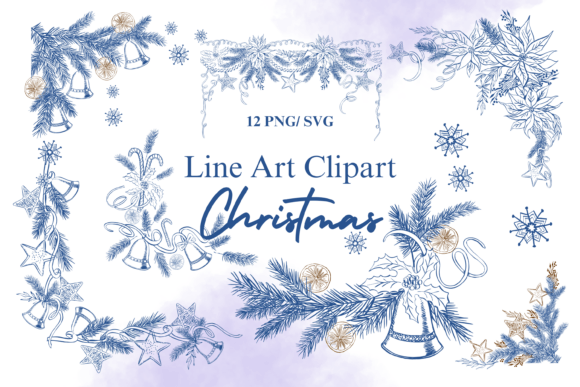
Reviewing Christmas Elements Flat Illustration for Stitching
As a designer who spends half my life digitizing and the other half stitching, I have learned that not every pretty graphic translates well to thread. When I first pulled up Christmas Elements Flat Illustration, my immediate reaction was cautious optimism. The flat style is trendy, clean, and modern, but in the world of machine embroidery, "simple" can sometimes mean "lacking depth" or "prone to puckering" if not handled correctly. I wanted to see if this set of design assets could hold its own in a real-world production environment, specifically for small business owners and Etsy sellers looking to refresh their holiday inventory.
First Impressions: Clean Lines and Modern Holiday Mood
The visual personality of Christmas Elements Flat Illustration is distinct. It moves away from the overly ornate, traditional Victorian Christmas aesthetic and leans into a contemporary, minimalist vibe. The shapes are bold, and the layout feels balanced without being cluttered. For an embroidery project, this is often a good starting point. Complex gradients and tiny details are the enemies of efficient stitching, whereas flat illustrations usually rely on solid blocks of color and clear outlines.
The mood here is cheerful but understated. It feels appropriate for a modern home or a young family’s holiday traditions. When I imagine these elements stitched out, I don’t picture them on heavy, dark velvet drapes. Instead, I see them on crisp cotton tea towels, neutral-toned tote bags, or soft baby onesies. The design’s clarity suggests it would perform best where the thread colors can pop against a clean background, allowing the shape of the motif to do the heavy lifting.
Real-World Application: From Mockup to Finished Product
To truly evaluate Christmas Elements Flat Illustration, I mentally walked through a typical client request: a custom order for a boutique shop selling personalized holiday gifts. The client wanted a set of matching tote bags for a corporate gift exchange. This is where the rubber meets the road. Would this design look professional on a canvas tote?
Yes, but with caveats. The flat illustration style works beautifully for a tote bag design because the bold shapes remain visible even from a distance. However, because flat designs often lack internal texture, the choice of thread colors becomes critical. If you choose threads that are too similar in tone, the design will look muddy. I would recommend using high-contrast combinations—perhaps a deep forest green against a cream fabric, or a bright red on white. This ensures the embroidery file retains its visual impact after stitching.
Beyond totes, I considered sweatshirt embroidery. A crewneck sweatshirt is a popular item for holiday embroidery. The flat elements would sit nicely on the left chest or as a larger back print. However, sweatshirt fabric is thick and textured. You must ensure the stitch density is high enough to cover the fabric grain but not so dense that it creates a stiff, cardboard-like patch on the garment. If the design includes large fill areas, checking the underlay stitches is essential to prevent shifting.
Technical Considerations for Embroiderers
While Christmas Elements Flat Illustration is visually appealing, there are technical hurdles to consider before you hit "start" on your machine. Flat illustrations often rely on sharp corners and geometric precision. In embroidery, sharp corners can be tricky. If the digitizing uses a standard satin stitch for borders, tight corners may bunch up. If it uses a running stitch for detail, ensure the stitch length is short enough to follow the curve accurately without gaping.
Fabric choice is another major factor. This design would struggle on highly textured fabrics like terry cloth or loose-weave linen unless properly stabilized. The clean lines require a smooth surface to look crisp. For baby embroidery projects, such as bibs or burp cloths, the softness of the fabric is paramount. You would need a cut-away stabilizer to support the design without making the garment uncomfortable against sensitive skin. Always test the design on scrap fabric first. Do not skip this step. What looks good on screen can look very different once the needle hits the cloth.
Additionally, consider the hoop size. If the illustration contains multiple small elements, ensure they are spaced appropriately. Crowded elements can cause thread breaks and nesting. If you are working with a smaller hoop, you might need to isolate specific elements from the collection rather than stitching the entire scene at once. This modular approach can actually increase the versatility of the digital embroidery file, allowing you to create varied products from a single purchase.
Commercial Viability and Brand Consistency
For Etsy sellers and craft business owners, consistency is key to building brand trust. Christmas Elements Flat Illustration offers a cohesive look that can help unify a product line. Imagine offering a matching set: a pillow cover, a kitchen towel, and an apron, all featuring the same flat-style motifs. This creates a strong visual identity for your small shop product lineup.
The professional appearance of flat design also appeals to buyers looking for modern decor. It feels less like a handmade craft fair item and more like a curated boutique piece. This perceived value can justify a higher price point. However, you must ensure the finished product matches the quality of the design. Loose threads, poor tension, or visible stabilizer edges will undermine the clean aesthetic of the illustration. Attention to finishing details is just as important as the design itself.
When creating printable mockup images for your online store, this design shines. The clear shapes photograph well and look great in digital previews. This helps with buyer engagement, as customers can easily visualize how the item will look in their home. Just remember to disclose that colors may vary slightly due to thread limitations compared to digital screens.
Final Verdict and Practical Advice
Christmas Elements Flat Illustration is a strong contender for modern holiday projects, provided you respect the technical requirements of embroidery. It is not a "plug-and-play" solution for every fabric type. It demands thoughtful color selection, proper stabilization, and attention to stitch density.
Before committing to a large production run, I advise checking the specific license terms. Confirm whether the machine embroidery design allows for commercial use if you plan to sell custom apparel or personalized gifts. Also, verify the available file formats to ensure compatibility with your specific embroidery machine software.
In summary, if you are looking to add a contemporary touch to your holiday offerings, this illustration set is worth exploring. It bridges the gap between digital art and tactile craft effectively. Just remember: test on scraps, respect the fabric, and let the clean lines of the design speak for themselves. With the right execution, these elements can elevate your commercial embroidery portfolio and delight your customers with stylish, high-quality holiday goods.